by UFO History Buff & Author, Charles Lear
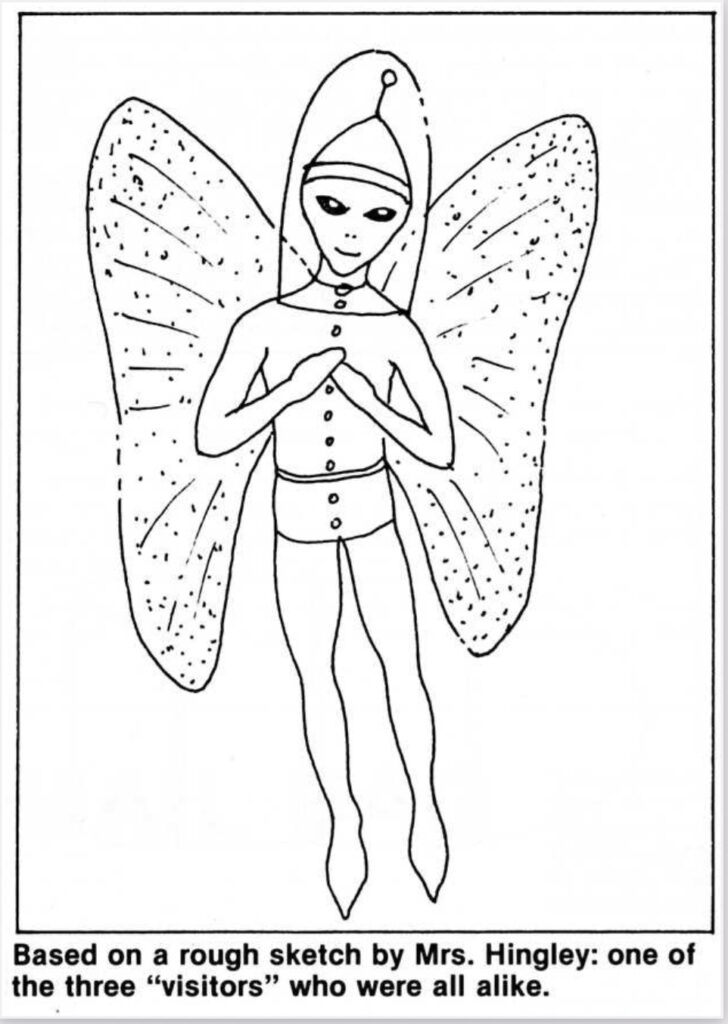 In 1969, Passport to Magonia by Jacques Vallée was published. Its central thesis is that there may be a link between folklore, particularly stories of the Fae folk, and UFO lore. In the Vol. 25, No. 6, issue (page 25 of the pdf) of Flying Saucer Review, there is an article by Eileen Morris headlined “The Winged Beings of Bluestone Walk” covering a case that certainly seems to support Vallée’s ideas.
According to Morris, a “necessarily brief” version of the story told by Jean Hingley first appeared in the January 12, 1979, edition of The Dudley Herald. She says she met Hingley and her husband “a number of times” both at their residence and at her own, and describes them as “honest, hard-working people.” She took notes and used them to type up Hingley’s version of events and then had Hingley read it. Hingley was “satisfied that it is accurate.”
According to the account written as if Hingley was telling it in the first person, she lived “in a small council house in Bluestone Walk, Rowley Regis, near Birmingham,” with her husband, Cyril, and their Alsatian, Hobo. On January 4, 1979, it was a cold, dark morning, and there was snow on the ground as she saw her husband off to his job at a cement works (she worked at a company that made soundproofing for cars). She was at the back door of the house that opened out to the road, and as her husband drove off, she noticed a light from the area of the garden. Read more →
Podcast: Play in new window | Download
 As fond as we are of historical UFO reports, it’s always a pleasure to write about a recent report and especially when it’s one from our own backyard. In April 2024, we wrote about a
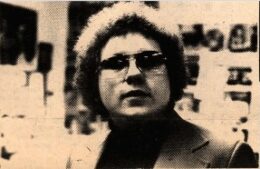
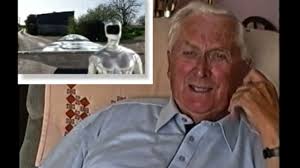 In 1977, there was a flap in the area of St. Brides Bay in Pembrokeshire, Wales, that involved reported sightings of craft and humanoids. The most well-known incident involved 14 Broad Haven Primary School students running inside to tell their headmaster that they had seen a yellow cigar-shaped craft land in a field. On February 17, three staff members reported they saw the same craft. The story made national news thanks to British UFO Research Association investigator and UFO Investigators Network correspondent Randall Jones Pugh, and a flap began that would result in the area being referred to as “The Welsh Triangle.” A lesser-known case involved an entire family that reported a series of strange events which Pugh covered in articles published in issues of Flying Saucer Review and the BUFORA Journal.
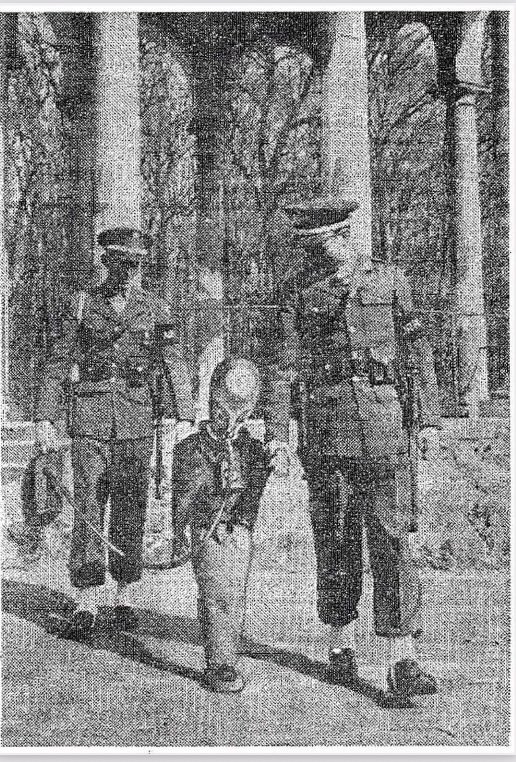 In 1980, The Roswell Incident by Charles Berlitz and William Moore was published. In the
 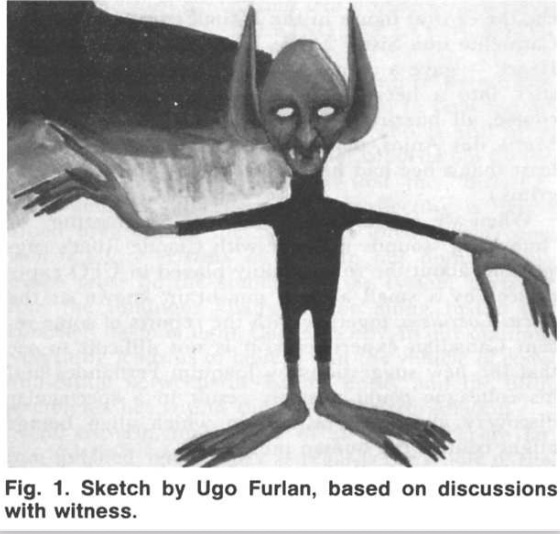 As anyone who has looked into the subject of UFO-related humanoids knows, reported creatures come in all shapes and sizes. Some are more unusual than others, and a pair of creatures said to be seen in Italy in 1978 definitely stand out.
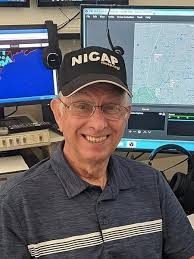 On January 20, 2026, Francis Lee Ridge passed away. His contributions to UFO investigation and research spanned six decades, and thanks to his efforts, a treasure
 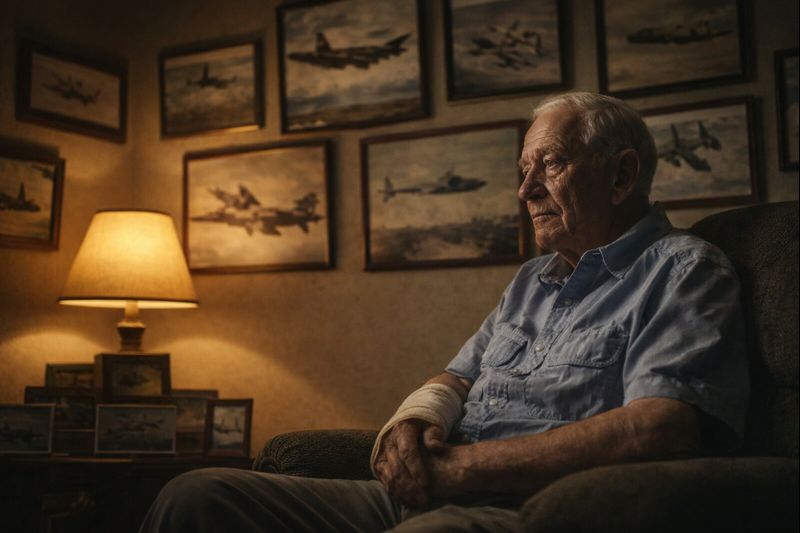 In 2015, while handling an inspection claim for damaged furniture in Buffalo, New York, I met with a client at his home. He was around eighty years old and wore a cast on one arm. As we walked through his condo inspecting the damaged pieces, he explained that he was battling bone cancer in his arm and that his wife of many years had recently passed away.
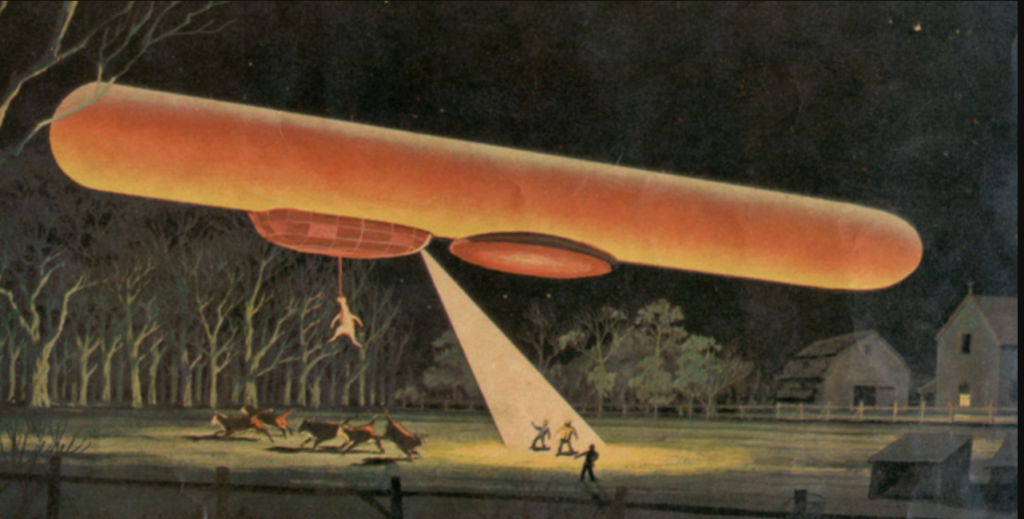 The cattle mutilation mystery and its association with UFO activity didn’t get the attention of researcher investigators until the 1970s. There is an
 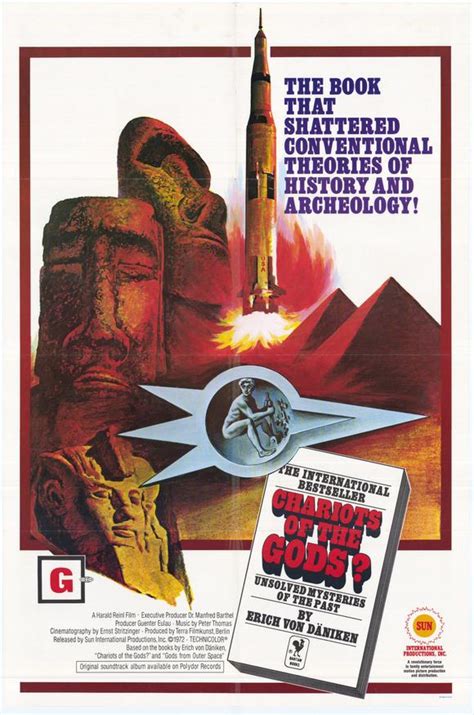 For many people growing up in the 1970s (of which this writer is one), seeing a UFO documentary was their first in-depth look into the subject. These films often came along with books tied in, and major publishers such as Bantam were getting onboard. More and more people were willing to accept the idea that UFOs were worthy of serious consideration, and this meant that more and more people were willing to spend money on movies and books covering the subject. What had formerly been mostly confined to a subculture of enthusiasts, was now becoming a somewhat profitable entertainment industry. Indeed, it may come as a surprise to some readers, but between the summer of the saucers in 1947, and 1968, there were only two documentaries made in the midst of all the science fiction saucer films that became popular starting in the 1950s.
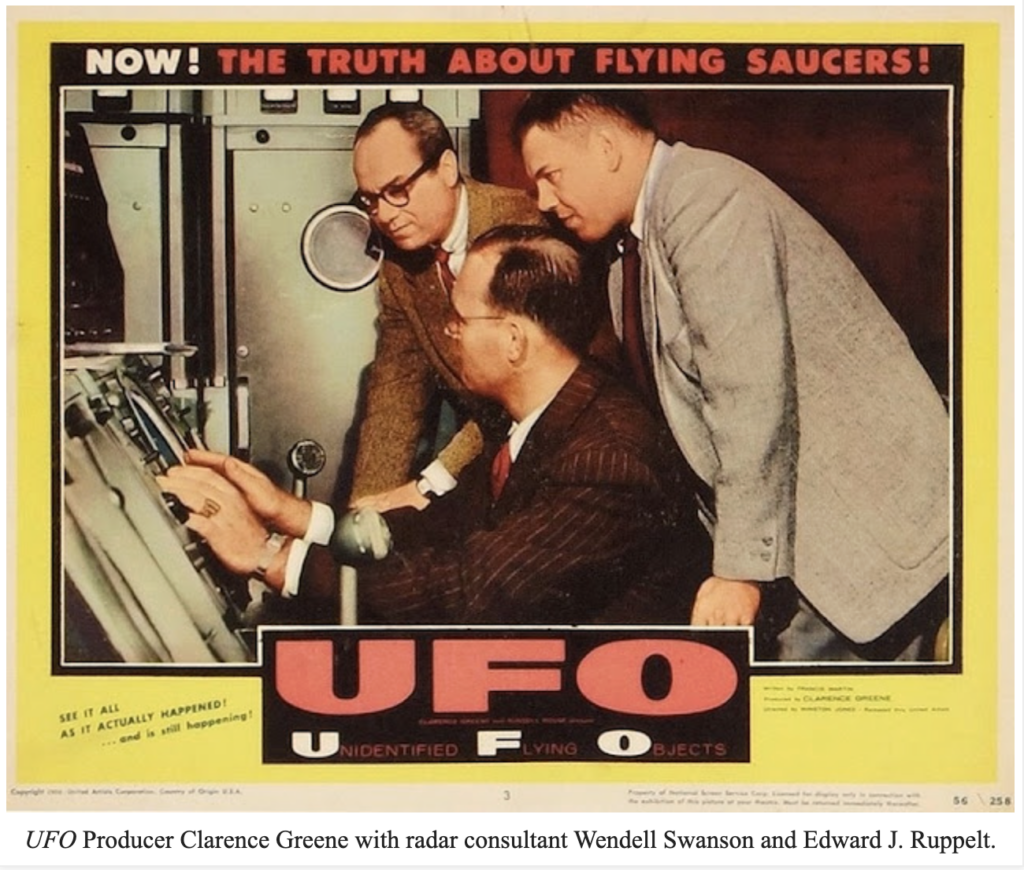 The first feature-length UFO documentary was titled, appropriately, Unidentified Flying Objects with the subtitle, The True Story of Flying Saucers. It was produced by Clarence Greene and released in 1956. Researcher Robert Barrow devoted a blogspot.com
 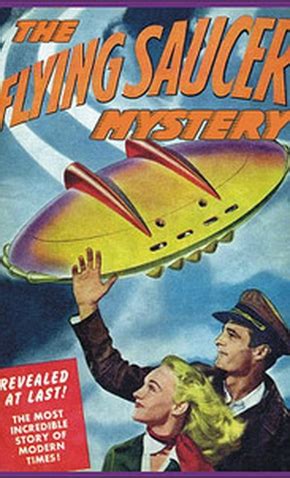 For many people growing up in the 1970s (of which this writer is one), seeing a UFO documentary was their first in-depth look into the subject. These films often came along with books tied in, and major publishers such as Bantam were getting onboard. More and more people were willing to accept the idea that UFOs were worthy of serious consideration, and this meant that more and more people were willing to spend money on movies and books covering the subject. What had formerly been mostly confined to a subculture of enthusiasts, was on its way to becoming the profitable entertainment industry it is today. What may may come as a surprise to some readers is that between the 1947 summer of the saucers and 1968, there were only two documentaries (if any readers know differently feel free to comment) made in the midst of all the science fiction saucer films that became popular starting in the 1950s.
 Throughout 1954 in France, there was a wave of humanoid reports that received national and international press coverage. That same year, Italy experienced a wave of its own that didn’t get nearly as much attention, although one particular case has since become a classic. A detailed