Simulcast on YouTube, Facebook & Twitter | Thursday, October 29, 2026 @ 8:00 PM EDT (GMT-4)
Join Martin Willis on Podcast UFO for a fascinating conversation with Lorien Fenton, longtime UFO researcher, MUFON Marin and Sonoma Meeting Director, radio host, and producer of the annual UFO CON conference in California. After surviving a life-threatening illness in 2009, Lorien became deeply involved in the UFO community, eventually witnessing several unusual aerial objects, including a mysterious black triangle UFO on November 1, 2014. Lorien shares her personal experiences, including what she describes as encounters with white light beings, while discussing UFO sightings, possible extraterrestrial contact, government disclosure, and the changing landscape of UFO research. Drawing on years of organizing conferences and speaking with researchers, witnesses, and experiencers, she offers a unique perspective on where the UFO subject has been and where it may be heading. We’ll also discuss UFO CON 2027, scheduled for February 26–28 in Burlingame, California.
**Learn more:**
UFO CON 2027: https://caufocon.com/
MUFON Marin Sonoma: https://mufonmarinsonoma.com/
The Fenton Perspective: https://revolution.radio/
BIO: LORIEN FENTON became actively involved in the San Francisco Bay Area UFO after a near death experience which propelled her into doing the work she loves in the communities that she has been passionate about her entire life – UFOs/Aliens, Conspiracy and JFK. Lorien is the MUFON (Mutual UFO Network) Marin and Sonoma counties Meeting Director, holding meetings in Core Madera, CA on the first Saturday of the month. Visit www.MUFONMarinSonoma.com. Her current “occupations” include web designer, bookkeeper, marketing/PR person and conference producer. Lorien produces UFO CON held annually in the San Francisco Bay Area. UFO CON 2027 will be February 26-27-28. She has produced and co-produced many conferences, including: 12 – UFO CONs; 3 – Super Soldier, Targeted Individuals and Mind Control Summits; 3 – Time Travel CONs; 4 – JFK Birthday CONs; 3- JFK Assassination Cons in Dallas; 2 – Lee Harvey Oswald Birthdays in New Orleans; JFK Historical Society’s “The Big Event”, Washington DC; and many more virtual events. If that wasn’t enough, she has a weekly internet radio talk show: The Fenton Perspective, Mondays at 5pm PT/8pm ET on Revolution Radio, Studio A: Revolution.Radio
If you haven’t guessed by now, she lives in front of a computer, has her ear glued to a phone, she sings “Moon Dance” by Van Morrison to herself, is slowly becoming a Crazy Old UFO Lady, and finally saw her first Black Triangle UFO on 11/1/2014. She has never been abducted or seen a typical Alien — that she can remember. However, she thinks the most important moment in her earthly life is when she met God and has been visited by white light beings she believes are “Angels”.
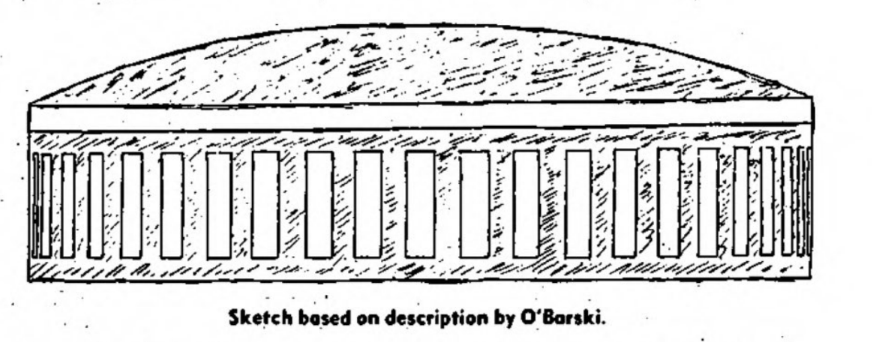 “In mid-January 1975, for about three minutes, a spaceship landed on a hill in New Jersey, apparently to collect soil samples. It happened again last month.” This is according to Budd Hopkins in the summation of his
 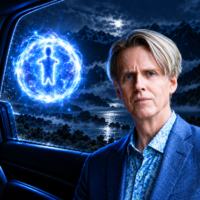 Martin Willis welcomes Indy Pederson, author of Sacrificing Humanity: The UFO Is a Portent of Nuclear War, whose extraordinary experiences in remote Patagonia transformed him from a UFO skeptic into a believer. After purchasing property on an island that locals described as a UFO base, Pederson says he encountered a mysterious glowing orb that approached within two feet of his vehicle and appeared to begin transforming into a humanoid figure. He also discusses alleged government interference involving his island property, reports of cattle mutilations, possible underwater UFO activity, and his concerns about the connection between UAPs and nuclear weapons. A fascinating conversation exploring close encounters, unexplained phenomena, and what these mysteries could mean for humanity.
 In the September 20, 1976, Tehran Journal out of Iran, there is the
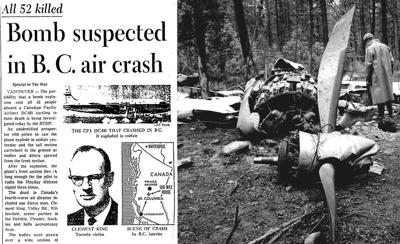
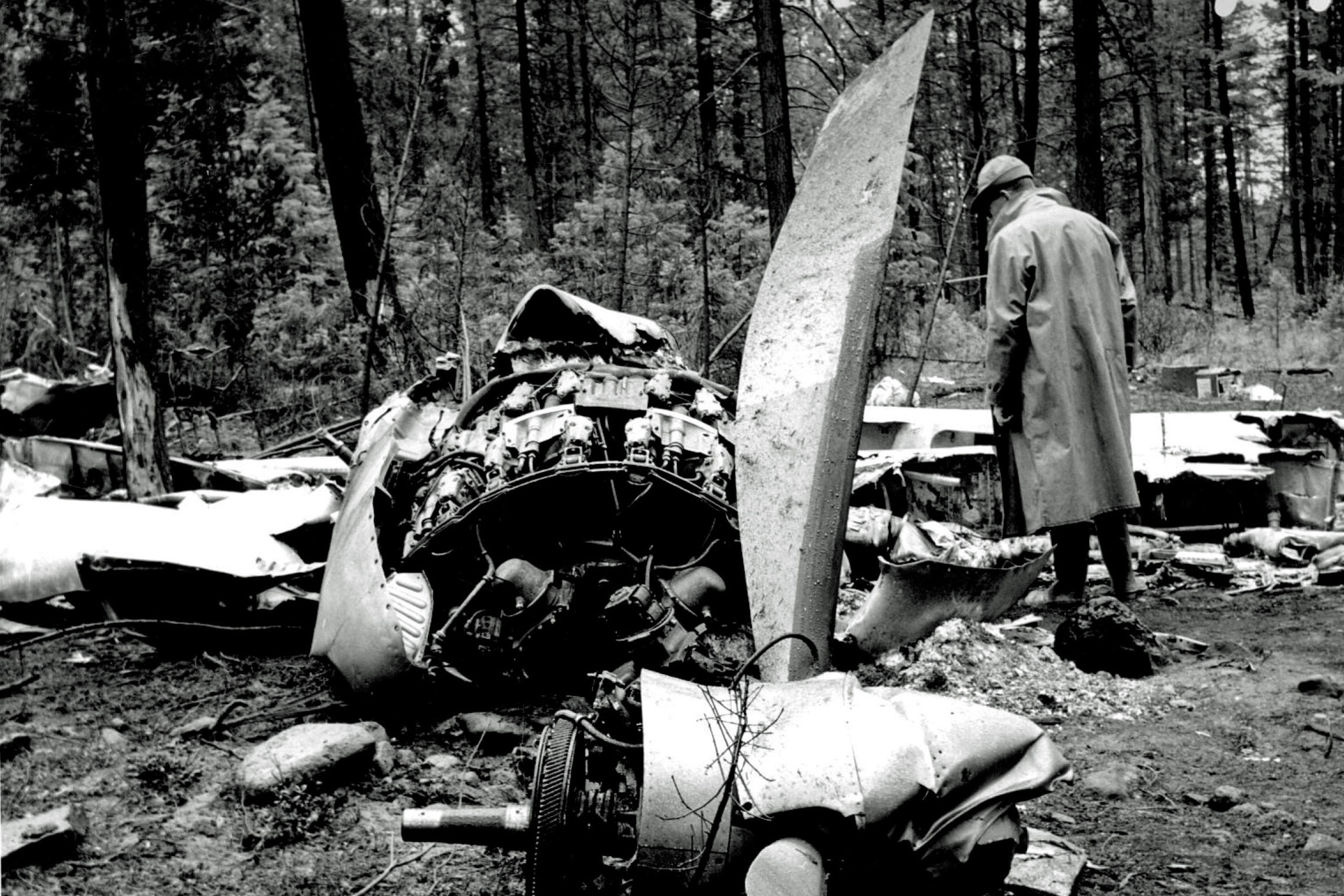
  Martin Willis welcomes back Dave Scott, creator and host of Spaced Out Radio, for a candid conversation about UFO disclosure, government secrecy, and the unexplained. Dave shares why he has become increasingly skeptical of the disclosure movement, questions the government’s narrative, and explains why firsthand witnesses may hold more answers than insiders. He also discusses his involvement in connecting Canadian officials with prominent U.S. UFO figures, including Lue Elizondo and Christopher Mellon. The conversation takes a fascinating turn as Dave recounts strange experiences at the remote Flight 21 crash site in British Columbia, including alleged Sasquatch encounters, mysterious footprints, UFO activity, and other paranormal phenomena. Martin and Dave also explore Roswell, the hitchhiker effect, and why mainstream media continues to shy away from serious UFO coverage.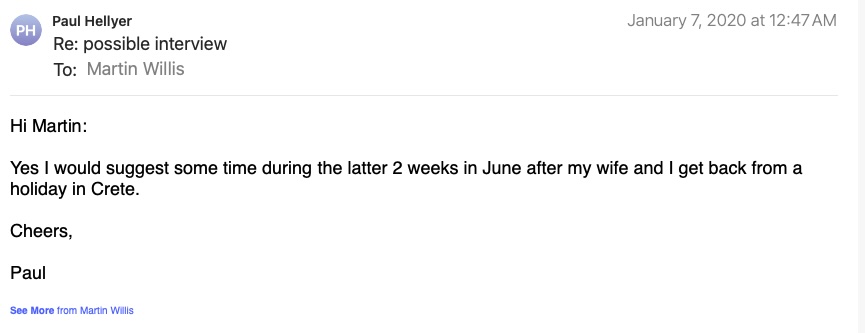
 BIO: Dave Scott is the host and creator of Spaced Out Radio, dedicated to exploring the mysteries of the universe and the unknown. With a tagline of “We Own the Night,” Spaced Out Radio has become a platform for deep discussions on UFOs, paranormal phenomena, cryptozoology, and other topics that fascinate both experts and enthusiasts alike. Dave’s passion for these subjects shines through as he connects with guests and listeners from around the world, taking them on a journey through the unexplained. With more than 20 years of experience in terrestrial radio, Dave brings a wealth of knowledge and professionalism to Spaced Out Radio. His background as a journalist gives him a unique perspective, allowing him to ask the right questions and delve into subjects with a critical eye. His career has spanned a variety of broadcasting roles, honing his communication skills and solidifying his reputation as a trusted voice in the world of paranormal radio. Beyond his professional career, Dave Scott is an experiencer—someone who has had firsthand encounters with the unknown. His personal experiences inform his work, adding depth and authenticity to his shows. As a passionate advocate for further exploration of the unexplained, Dave continues to be at the forefront of paranormal media, blending his journalistic expertise with his personal journey into the unknown.
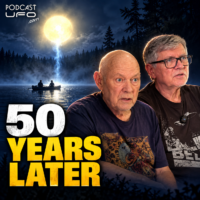 Martin Willis sits down with Charlie Foltz and Jim Weiner, two of the original witnesses to the famous 1976 Allagash UFO encounter in northern Maine. Fifty years later, they recount the enormous glowing object that approached their canoe, a mysterious beam of light, apparent missing time, and the unsettling memories they say emerged during separate hypnotic regression sessions with investigator Raymond Fowler. They discuss their alleged encounters with nonhuman beings, how the experience transformed their art and careers, and the profound effect it had on their lives. Jim also shares a remarkable near-death experience following a serious accident. Recorded after the Exeter UFO Festival, this is an intimate and revealing conversation about one of the most debated abduction cases in UFO history.