by Michael Lauck
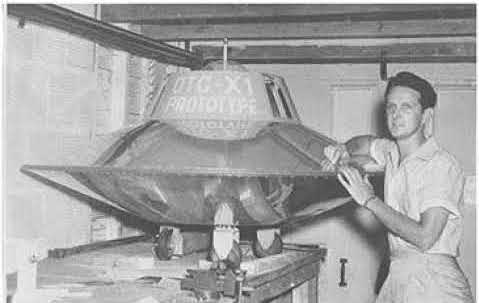 In the late 1950s flying saucers had been in the public consciousness for about a decade. The shock of the Arnold sighting and UFOs over Washington DC had worn off; saucers, though still mysterious, were now familiar. The government was actively running its third investigation into the reports of unidentified flying objects. Hollywood was incorporating the now iconic saucer craft into films of all budgets. Books had been printed on saucers and UFO magazines were on the newsstands every week. A new culture was being born around the flying saucers and possibility of alien contact. Many people claimed to have been contacted by extraterrestrials and some even claimed to have ridden in their craft. Others maintained that they had been given messages for their fellow Earthlings from the Space Brothers or comely Venusians.
Read more
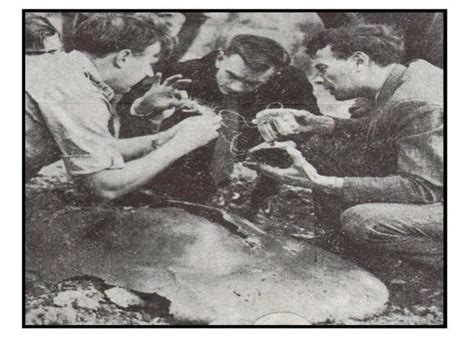 In 1957, the same year the Soviets launched Sputnik, British authorities, media, and citizenry had their attention drawn back down to Earth as they attempted to unravel the mystery of a flying saucer said to have been found laying in a moor. It was dismantled, studied, and opinions were divided between its having come from space and its having been manufactured right here on Earth. Over time, the saucer went missing, but the mystery as to its origin remained. Then, in 2018, pieces of the saucer and its mysterious contents were found in the archives of the Science Museum in London.