Blog by UFO History Buff & Author, Charles Lear
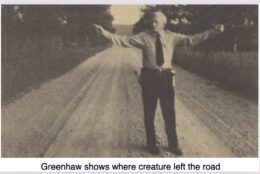
Amidst the many assorted descriptions of UFO-related entities, silver-suited humanoids, sometimes with antennas, show up in many reports. They are described repeatedly in the 1976 Center for UFO Studies publication by David Webb, 1973 – Year of the Humanoids, and there were several reports during the 1977 flap in what has been called “The Welsh Triangle” that we wrote about recently. In this week’s blog, we’ll look at a couple of cases from the Southern United States, the second of which became quite well-known.
In the January 4, 1981, issue of The Robesonian out of Lumberton, North Carolina, there is an article (page 7 of the pdf) by Tim Lewis headlined “Shining Silver Man Stalks Forest Acres Area.” According to Lewis, the previous Tuesday at around 10 p.m., a couple had just exited Barker Ten Mile Road when they saw a round flashing light near the turnoff at Bee Gee and McLeod. As they got closer, they were able to determine that the light was located in a vacant wooded lot. Read more
Podcast: Play in new window | Download
 In 1977, there was a flap in the area of St. Brides Bay in Pembrokeshire, Wales, that involved reported sightings of craft and humanoids. The most well-known incident involved 14 Broad Haven Primary School students running inside to tell their headmaster that they had seen a yellow cigar-shaped craft land in a field. On February 17, three staff members reported they saw the same craft. The story made national news thanks to British UFO Research Association investigator and UFO Investigators Network correspondent Randall Jones Pugh, and a flap began that would result in the area being referred to as “The Welsh Triangle.” A lesser-known case involved an entire family that reported a series of strange events which Pugh covered in articles published in issues of Flying Saucer Review and the BUFORA Journal.
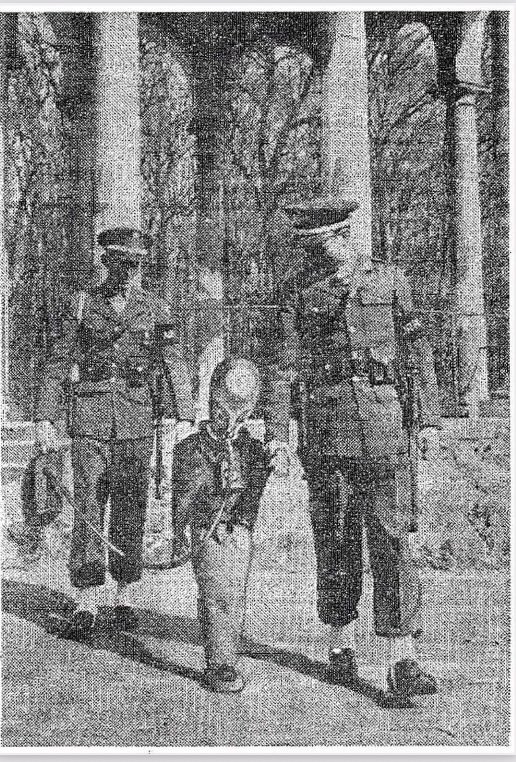 In 1980, The Roswell Incident by Charles Berlitz and William Moore was published. In the
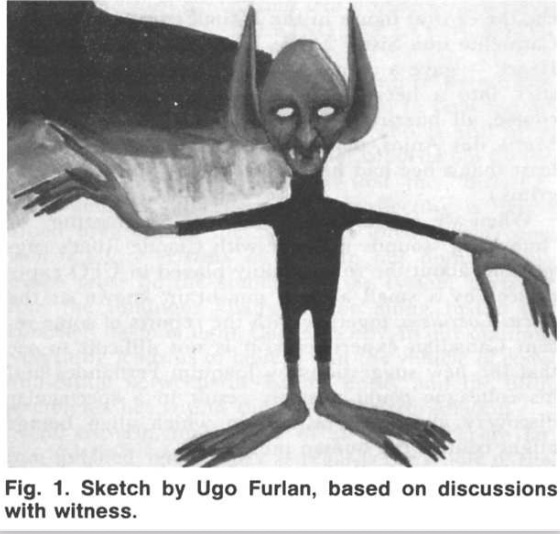 As anyone who has looked into the subject of UFO-related humanoids knows, reported creatures come in all shapes and sizes. Some are more unusual than others, and a pair of creatures said to be seen in Italy in 1978 definitely stand out.
 On January 20, 2026, Francis Lee Ridge passed away. His contributions to UFO investigation and research spanned six decades, and thanks to his efforts, a treasure
 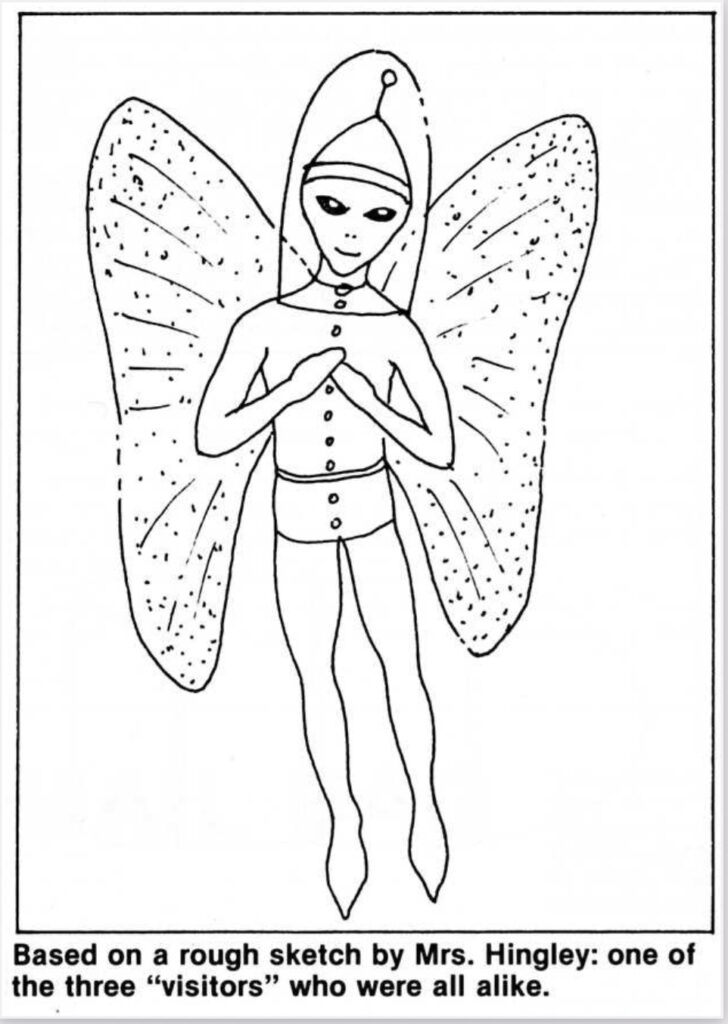 In 1969, Passport to Magonia by Jacques Vallée was published. Its central thesis is that there may be a link between folklore, particularly stories of the Fae folk, and UFO lore. In the Vol. 25, No. 6,
  In 2015, while handling an inspection claim for damaged furniture in Buffalo, New York, I met with a client at his home. He was around eighty years old and wore a cast on one arm. As we walked through his condo inspecting the damaged pieces, he explained that he was battling bone cancer in his arm and that his wife of many years had recently passed away.