By Charles Lear
This is the last of what has turned into a five-part series looking into the events that led up to, and the people who would become involved with the television production UFO Cover-Up? Live!, which aired on October 14, 1988. It seems that the show’s producer, Michael Seligman, believed that it would be the vehicle for an earth-shaking UFO disclosure. What resulted was a clumsy and awkward production where the only disclosure anyone remembers is that aliens like strawberry ice cream.
Robert Skvaria wrote a three-part series of articles titled, “The Cover-Up Behind UFO Cover-Up? Live!” for Diabolique magazine, the first of which was posted on May 17, 2022. Skvaria spoke to Curtis Brubaker, who came up with the idea for the show, and Tracy Tormé, who produced the segment of the show devoted to the Gulf Breeze, Florida, sightings and the pictures taken by Ed Walters.
 In last week’s
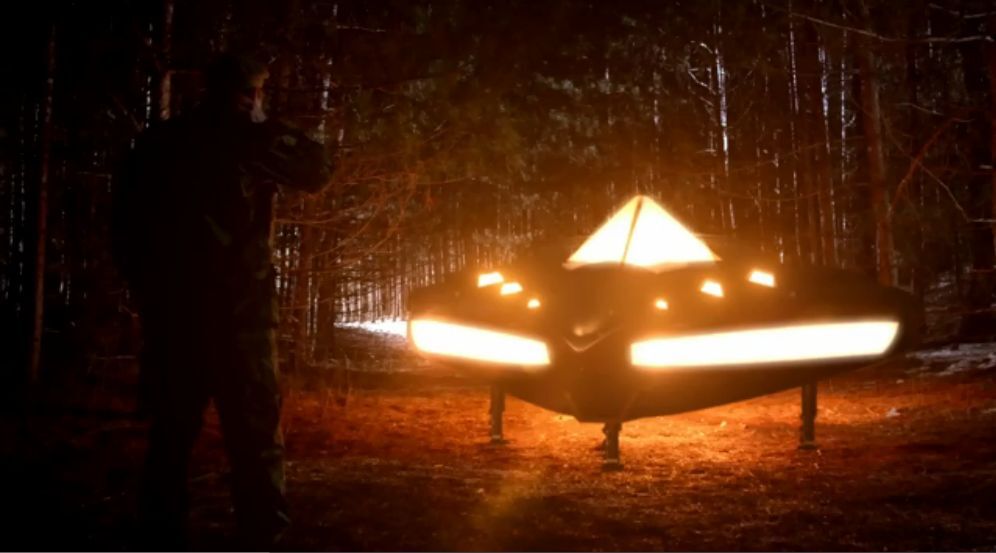 He was assigned to RAF Bentwaters in June of 1979 as a base policeman. On the night of December 25/26, Burroughs accompanied SSGT Penniston in an investigation of unusual lights in the Rendlesham Forest adjacent to the base. What began as a routine response to a possible base incursion or accident scene would become the defining episode of Burroughs life.
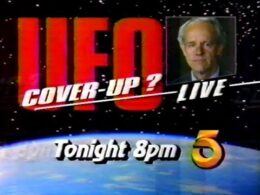 If one was to pick a point when UFOlogy went off the rails, October 14, 1988, is one to consider. That was the date that a television show, UFO Cover-Up? Live!, aired on 130 syndicated channels throughout the United States. It was a flop, but an examination of the people who were involved in the production provides insight into how it came to be that a few dubious individuals left us with what have been convincingly argued are bogus stories and documents that support the idea that the GOVERNMENT has recovered crashed alien spaceships and bodies. A lasting belief is that this came about as the result of an organized GOVERNMENT disinformation program targeting the UFO community. A question this writer is examining is whether or not this too is bogus.
  Guest host Dean Alioto interviews actor/comedian and ufo researcher, Dave Foley. Dave will talk about his lifelong interest in the UFO phenomenon as well as his recent very first UFO sighting while hanging with filmmaker Jeremy Corbell and much more
 BIO: Dave Foley dropped out of an alternative high school to do stand-up comedy. He met Kevin McDonald at an improv class and, while employed as movie ushers, they began working as a comedy team. In 1984 they merged with another team to form “The Kids in the Hall”. Foley made his film debut at 22 as the lead in the Canadian film High Stakes (1986). Continued:
 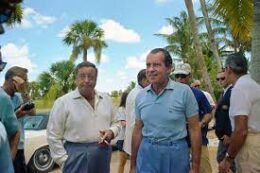 Throughout the history of UFOs there are stories that become well known throughout the UFO community and beyond, and more often than not, their origins can be found in archives available online. Sometimes a
  Guest host Dean Alioto interviews Kevin Day about the post effect of his 2004 USS Princeton/ Nimitz tic-tax encounter, The upcoming congressional hearing at the end of October and more.