by Charles Lear
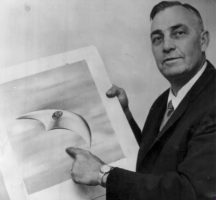 Hoaxes have been a part of the flying saucer/UFO mystery from its very beginning. Shortly after Kenneth Arnold’s sighting report on June 24, 1947, people started coming forward with physical disks they claimed to have found in their yards, in fields, or to have actually seen flying through the air in flames and then crash. Claimants ranged from school children to professional adults, and there is even a report from a Catholic priest that received a good deal of press. The priest’s case, as well as others of this sort ended up in FBI files. The disks that were displayed were obviously home made, sometimes quite crudely, but there was the possibility that these could be responsible for valid sightings reports by people who were truly mystified. Read more
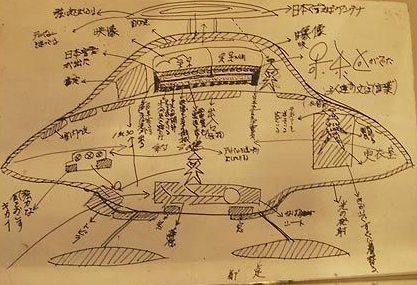 From Japan comes a case originally investigated by renowned Japanese researcher Kinichi Arai. This writer was unable to locate any sources other than blogs written about the case many years later, but it’s worth sharing.
 While 1954 in America was mostly about the saucers, that year in France was more about the occupants, also known as “humanoids.” It was then that French researcher Aimé Michel came to international prominence as he investigated, collected data, and tried to unravel the mystery. A young Jaques Vallée first became interested in flying saucers at this time. He was later inspired by Michel’s work and went on to achieve prominence as a respected and influential figure in the field.
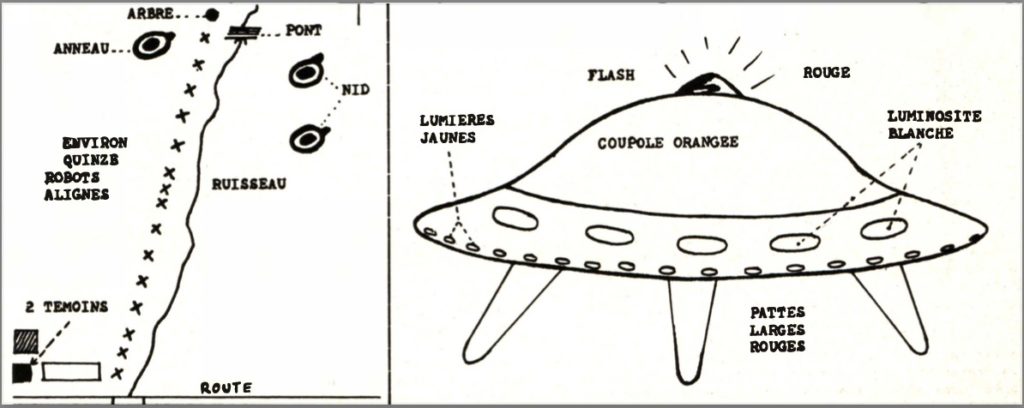 From Canada comes a case that stands out for the large number of UFO occupants said to have been seen by the witnesses, the amount of time the witnesses reportedly observed them, the trace evidence observed by the investigators, and a visit by two men in black.
 There are many UFO reports that involve injuries to witnesses. A particularly dramatic
  Brazil has a unique place in UFO history, not only for the abundance of high-strangeness UFO reports that come from that region, but also for the fact that people have been reportedly injured and have even died as a result of their alleged encounters. One such case comes from the Brazilian city of Varginha. In this case, not only is there a report of a witness dying, there are also reports that one, and maybe more, extraterrestrials ended their days here on Earth.
 In 1975, two seven-year-old boys in Kofu, Japan, reported an encounter with a flying saucer and its occupants. They were taken seriously, and an investigation revealed not only other witnesses, but also physical evidence to back up their story. The case was re-examined almost 40 years later by investigators from the Space Phenomena Observatory Center, and in their opinion, still holds up. A report was given to the Aerial Phenomena Research Organization and the Center for UFO Studies by Matsushito Hayashi of the Japan Space Phenomena Association. Both organizations provided summaries (APRO
  On November 26, 1979, police in the French