by UFO History Buff & Author, Charles Lear
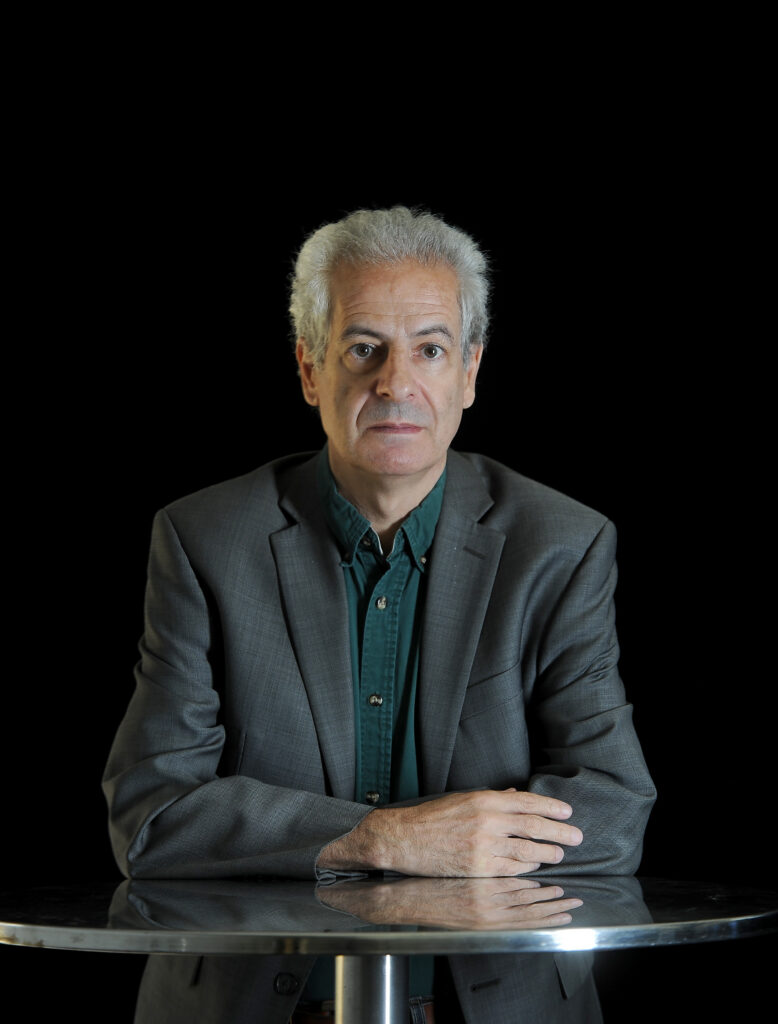 Last week, Nick Pope, full name Nicholas George Pope, passed away on April 6th at the age of 60. A fixture in the UFO scene, Pope first gained notoriety with his 1996 book, Open Skies, Closed Minds. Besides providing an overview of UFO history up to that point, the book has an autobiographical account of his time as the head of the “UFO desk” at the Ministry of Defense from 1991 t0 1994. After the book came out, he became a go-to “UFO expert” whenever an authoritative comment was needed to punch up a news story. He maintained his interest and a media presence and was sought after as a speaker at conventions and a commentator in various documentaries. By the time of his passing, he was a well-known personality in the UFOtainment industry, having appeared regularly on Ancient Aliens and at Contact in the Desert. In the midst of his notoriety and association with the more sensationalistic aspects of UFOlogy, his commentary seemed to be heartfelt and true to his actual beliefs.
According to Pope in his book, he was a skeptic before he was assigned to the “UFO desk” in Secretariat (Air Staff) Department 2A at the Ministry of Defense. He had been with the MoD since 1985, and personnel were shifted to different sections every three to four years as a matter of policy to give them “a breadth of knowledge and experience.” When he was assigned to deal with UFO reports, he took it upon himself to learn as much as he could about the subject, and the comprehensive historical overview in the book shows the depth of his research.
Besides studying UFO history, Pope reached out to British UFO researchers, such as Timothy Good who wrote the Foreword of the book, and established relationships with organizations such as the British UFO Research Organization. This set him apart from his predecessors and helped diminish the us-and-them perception between the MoD and the British UFO community. Read more →
Podcast: Play in new window | Download
 At Contact in the Desert, Martin Willis sits down with entrepreneur, AI researcher, and quantum computing expert Deep Prasad for a wide-ranging discussion that explores the intersection of artificial intelligence, consciousness, advanced physics, and the UFO phenomenon. Deep shares details of an extraordinary experience he had in 2019 that profoundly changed his understanding of reality and led him to explore questions surrounding non-human intelligence and consciousness. He also discusses the rapid advancement of AI, the promise and challenges of quantum computing, and how future technologies may help unlock some of the deepest mysteries surrounding UAP.
 Tonight on UFO Headlines, we’re joined by UFO Jack, Kelly Hughes, and Sam Milodragovich to discuss the latest developments in the UAP world. We’ll cover the recent release of more than 160 government UAP files, the upcoming June 9 Capitol Hill press conference involving David Grusch and congressional transparency advocates, the controversy surrounding Aliens.gov, and some of the most talked-about cases emerging from the newly released documents. We’ll also share our experiences from Contact in the Desert 2026, including standout presentations, behind-the-scenes conversations, and the overall mood of the UFO community regarding disclosure and the future of UAP investigations. Join us live and bring your questions and comments as we discuss the latest UFO headlines and what may be coming next.
 Whitley Strieber returns to Podcast UFO for a thought-provoking discussion on UFOs, non-human intelligence, Roswell, consciousness, AI, and the enduring mystery of contact. Best known for his groundbreaking book Communion, Strieber shares personal experiences, reflects on the impact of disclosure, discusses the possibility that UFO intelligences originate from another reality, and explains why he believes humanity may have lost abilities once possessed long ago. From the Allagash Abduction case and Roswell to artificial intelligence and the future of human consciousness, this conversation explores some of the deepest questions surrounding the UFO phenomenon and our place in the universe. Whether you’re a longtime follower of Strieber’s work or new to these topics, this is an engaging and wide-ranging interview you won’t want to miss.
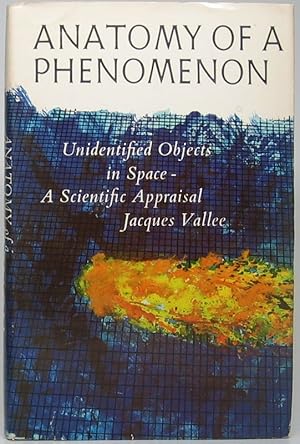 By the time Project Blue Book was terminated, most UFO researchers, especially in the United States, were of the opinion that UFOs were nuts and bolts craft piloted by flesh and blood creatures from other planets. This is what has become known as the extraterrestrial hypothesis or ETH. At around the same time, as the 1960s gave way to the 1970s, Jacques Vallée had one book published and John Keel had two published, that challenged the ETH, and caused many in the UFO community to consider other options.
 In this episode of Podcast UFO, Martin Willis and UFO Jack welcome
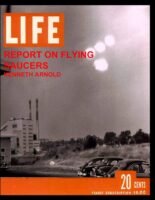 In the early years of the flying saucer/UFO mystery, magazines played a significant part in the public perception of the phenomenon. One of the most popular magazines in that era was LIFE, which started covering saucer/UFO news at the very beginning during the 1947 summer of the saucers. For anyone interested in the early history of the phenomenon, Archives for the Unexplained has a collection of related magazine articles which includes LIFE
 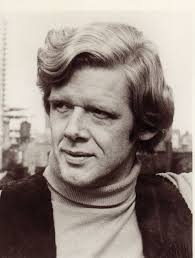 Ted Bloecher, who passed away not
  It’s always a plus when UFO cases come along with physical evidence to back them up. Sometimes this evidence is in the form of physiological effects on the witnesses, and cases involving these are numerous enough that investigators have been able to focus on them as a specific area of study. Conjunctivitis (burning red eyes), nausea, hair loss, numbness, paralysis, and burns are some of the symptoms commonly described, but a very unusual effect was reported in the following 1976 case from Bolton, England.
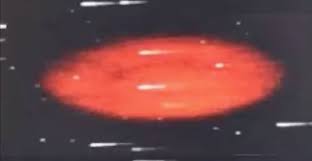 Recently, footage taken of a video that has been described by documentarian James Fox as the holy grail of UFO videos has been shown online. The original video on VHS had been in the possession of one of the early Area 51 researchers, Chuck Clark, since 1995. Clark was reportedly offered a large sum of money to turn over the video, and he refused, whereupon underhanded means were employed to get what was on it out to the public.
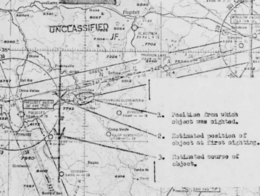 For many years, stories of recovered crashed saucers and alien bodies were usually dismissed by investigators due to the stigma created by the effective debunking of the Aztec incident by J. P. Cahn in two articles he wrote for True magazine, the
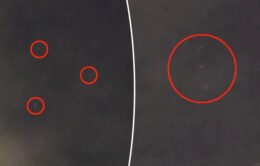 As fond as we are of historical UFO reports, it’s always a pleasure to write about a recent report and especially when it’s one from our own backyard. In April 2024, we wrote about a