by Charles Lear
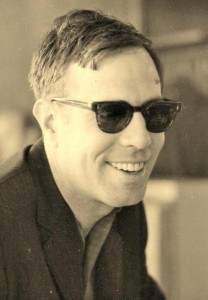 Among the early flying saucer investigators who stumbled their way through the mystery in the late 1940s and early 50s, there were some fascinating characters. Imagine being able to meet and discuss flying saucers with the likes of Donald E. Keyhoe, Edward J. Ruppelt, Frank Scully, Albert Bender or Gray Barker. A young man who did was James Moseley, who had more than a passing interest in the subject. With no prior writing experience or credentials, he convinced the most prominent people in the field to sit with him for interviews for a book he’d set out to write. He never published the book but found a place for himself in the world of flying saucers and saucerers where he’d remain for the rest of his life.
In 1950, James Moseley was a young man with a trust fund who had just quit Princeton University. He had enough money that he didn’t have to do anything productive but he quickly became bored with “recreational drinking” and skirt chasing. According to him, in his 2002 autobiography, “Shockingly Close to the Truth: Confessions of a Grave-Robbing UFOlogist”, he sought a more satisfying way to fill his days and decided on travel and exploration. He got in contact with a well-known Italian explorer, Attilio Gatti, and paid to tag along with him to Africa. After his return, he approached an American explorer, Ken Krippine. Krippine was a regular contributor to Argosy magazine and lectured on his travels as well.
Moseley lived in Fort Lee, New Jersey, and when Krippine came to New York City in 1953, Moseley was able to meet with him. Krippine quickly realized that he’d found a good thing in Moseley and made use of him as a chauffer and a source of funds. After becoming aware that he was being used, Moseley made Krippine sign an agreement. It stated that when it came time to go on his expedition, in this case, Peru, Moseley’s way was paid in full.
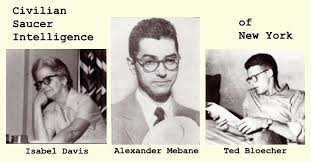
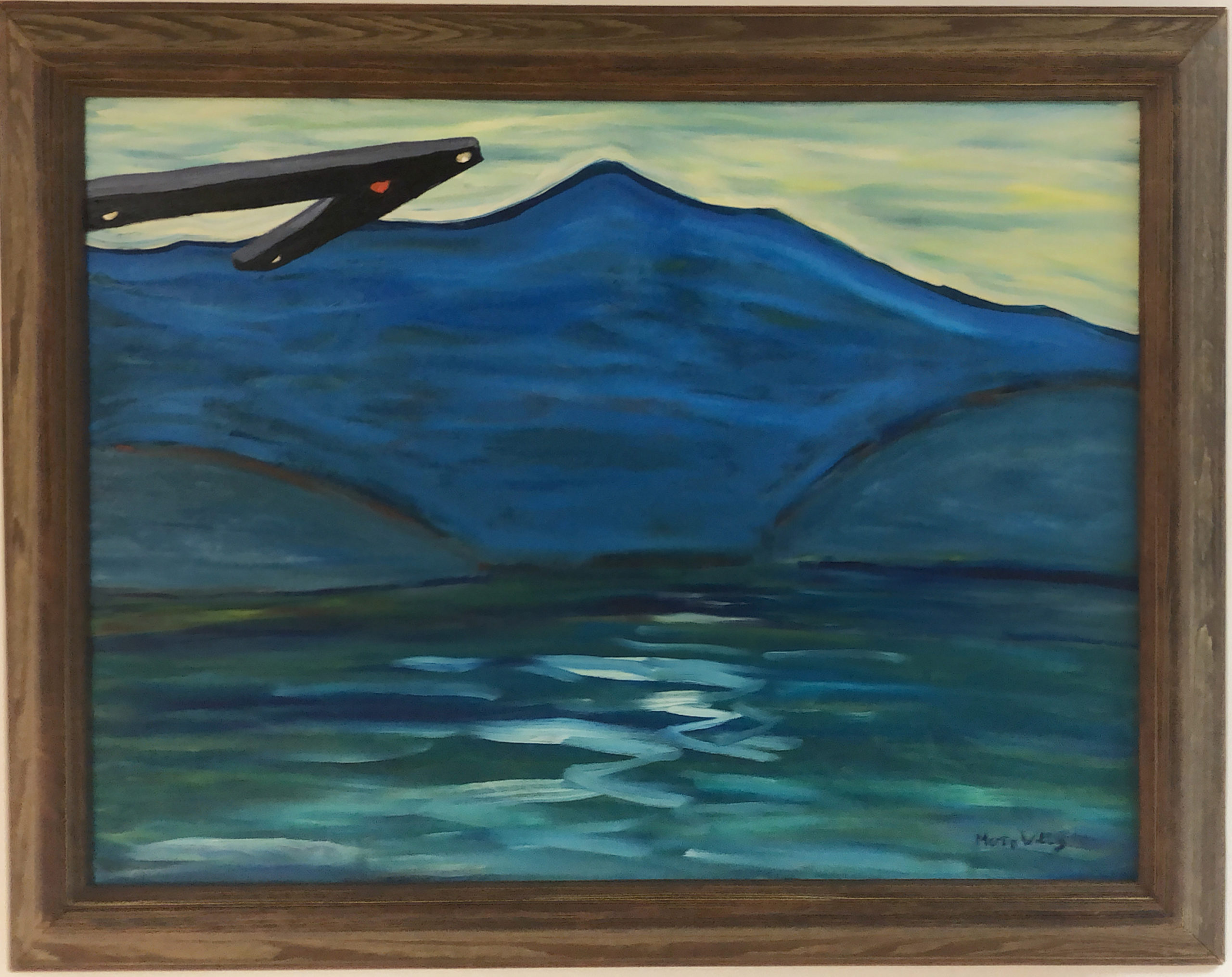
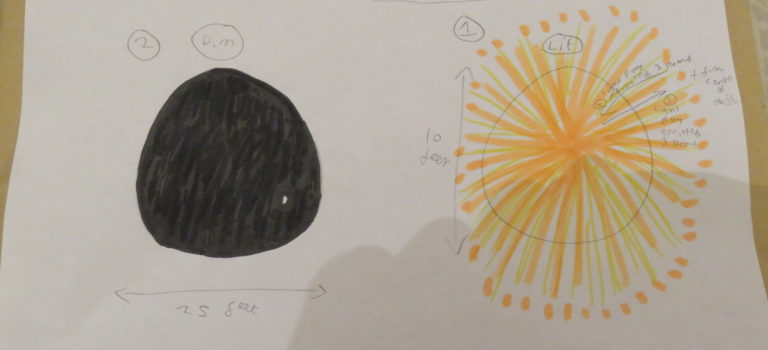
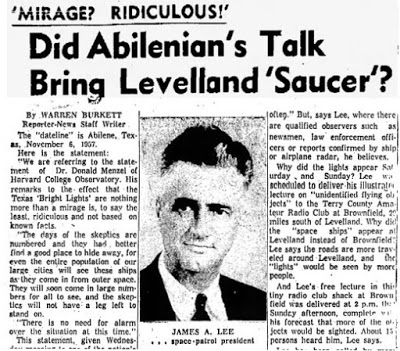 In November of 1957, there was a major flying saucer flap that began with a case that remains a favorite among UFOlogists. Starting on the night of November 2, and going into the early morning hours of November 3, there were a series of extraordinary encounters in and around the small farming community of Levelland, Texas. Besides the quantity and quality of the witnesses, there were reports from other areas in the Southwest that supported the Levelland accounts. The Air Force conducted an investigation that was cursory at best and offered explanations that could have been pulled out of a hat. The National Investigations Committee On Aerial Phenomena had their own man on the case. That he might have been biased towards an unearthly explanation for the reports is an understatement. Whether one was biased or not, based on the witness reports, what was seen was not easily explainable in terms of natural phenomena or the technology of the day.
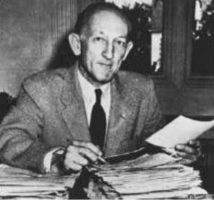 In late 1957, Americans’ minds were on space. On October 4th of that year, the Soviet Union launched Sputnik 1, the very first satellite to achieve a successful orbit. This was followed by Sputnik 2 on November 3rd. This satellite carried a dog, Laika, who tragically died on the fourth orbit. This was due to overheating after the air conditioner unit malfunctioned. The Soviets were pulling ahead of the United States in the space race and American anxiety was high.
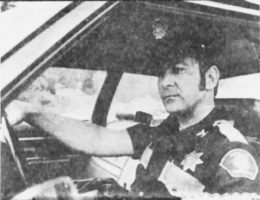 Reported police encounters with UFOs have been a common occurrence throughout modern history. Records show that police have seen them in the sky, hovering above the ground and landed. They’ve chased them, been hit by them and been taken aboard them. As police officers are usually the first responders to citizen UFO reports, the frequency of their involvement makes sense. For an officer to go on the record with his or her encounter takes courage in light of the fact that fellow officers are quite likely going to have a few laughs at their expense. Quite often, however, they are supported by their fellows and superiors when facing public scrutiny. Public reaction can be brutal and in the case of Patrolman Herbert Schirmer, it was particularly so.
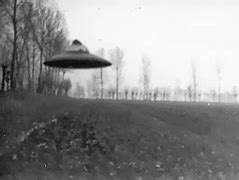 There was a period from the early 1950s into the 1960s when more than a few people (more than one of which were named, George) came forward saying that they’d been in direct communication with humanoid beings who were not of this earth. They are referred to as, “The Contactees” and they were individuals who claimed they were chosen by our space friends to deliver a message to humankind. In other words, contact with single individuals was the norm. Then, in 2007, a man in Italy, engineer and university professor, Stefano Breccia, came out with a story of alien interaction with a large group of Italians that began in 1956 and continued until 1978. This became known as, “The Friendship Case” and, in spite of its dubious nature, the case attracted a lot of press and people came forward to support the story.
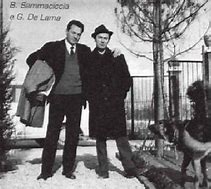 According to Breccia, his friend, writer, theologian and psychologist, Bruno Sammaciccia, asked him to listen to a story he’d been keeping secret and to write it down. As Sammaciccia died in 2003, this could be said to have been the confession of a dying man. Breccia said that he spent a month at his friend’s house and granted his wish. According to Breccia, in 1956, Sammaciccia and two friends were visiting the Pia Fortress overlooking Ascoli Piceno, when they were approached by two beings that appeared human but one was a little more than one meter tall, and the other was almost three meters tall. Speaking perfect Italian, the two beings told them they were extraterrestrials and that they were here to help humankind. The men were later taken to an underground base to meet others like them, all of varying heights. They revealed that there were representatives from six different civilizations from our galaxy and others, that there had been an e.t. presence for over two centuries and that there were over 200 of them in underground and undersea bases throughout the world. These bases were made with “a particular mechanism” which would compress the surrounding earth as a space opened up. When they were done using the base, “all you had to do is flip a switch” (apologies if this is too technical) and the earth would return to normal. One base under the Adriatic Sea was described as being so big, it had its own climate. The e.t.s were concerned that humans were destroying the planet, which was precious as a place that produced life, and they were also concerned about atomic weapons. They described love as a powerful source of energy and promoted moral, as opposed to technological development.