Simulcast on YouTube, Facebook and KGRA Radio Tuesday July 7th, 6:00-8:00 PM EDT (-4GMT)
Anthony Lappé is a New York-based author, producer and director. He is the executive producer of the HISTORY Channel’s Unidentified: Inside America’s UFO Investigation He produced the award-winning Showtime documentary about the Iraq war, BattleGround. He was the Executive Editor of the Sundance-awarding winning Guerrilla News Network. He has written for Details, ESPN: The Magazine, New York Magazine, and the South China Morning Post, among many others. In addition, he has produced programming for Fuse, PBS, National Geographic Channel and the Discovery Science Channel. More recently, he was a writer/producer for Radical Media, where he wrote Robert Redford’s 3D documentary Cathedrals of Culture: The Salk Institute, which premiered at the Berlin Film Festival.
An Air Force veteran who held a TOP SECRET/CRYPTO clearance, Tom is now a retired Philadelphia area businessman. He has been a Mutual UFO Network (MUFON) State Section Director forSoutheastern Pennsylvania from 1986 to 2001, a Special Investigator for the J. Allen Hynek Center for UFO Studies (CUFOS) from 1991 to 2001, and a member of the CUFOS board of directors from 1997 to 2001. Tom began investigating aspects of the Roswell Incident in 1991 for the Roswell investigative team of Kevin Randle and Don Schmitt, and since 1998 has teamed exclusively with Don Schmitt to continue a proactive investigation of the case. Read more
 A lot of people are familiar with the mysterious airship wave over the United States that began in 1896. Beginning in California and continuing throughout the rest of the country, people reported seeing large ships in the sky, often described as cigar-shaped and with bright lights when seen at night. There were reports of landings and meetings with human-looking occupants and most thought they were seeing the results of some great inventor’s work. The sightings were reported in many newspapers of the day and they remain an intriguing part of American history. What many people are not aware of is that, in 1909, New Zealand experienced a similar wave of sightings.
 The history of UFO reports in Finland is much like that of other countries except that it starts earlier than most, dating back to the early 20th century. As was the case for much of Scandinavia, Finland had reports in the 1930s and 1940s of mystery lights, aircraft and rockets but, unlike its neighbors and much of Europe, the government of Finland has been quite secretive regarding official UFO investigations. Despite the government’s secrecy, documents have been released and were examined by private researchers. These documents revealed that Finnish defense organizations were actively investigating UFO reports from the very beginning and some intriguing cases have been brought to light.
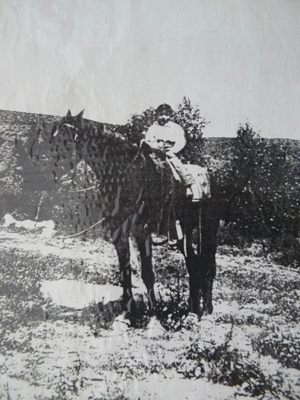 When it comes to reported UFO crash locations in New Mexico, everyone has heard of Roswell, many have heard of Aztec but few have heard of San Antonio. San Antonio is a small village, 12 miles south of Socorro just northeast of White Sands Missile Range. It was the childhood home of two men, Reme Baca and Jose Padilla who, in 2003, came forward with the story that they had discovered a crashed UFO there in 1945.
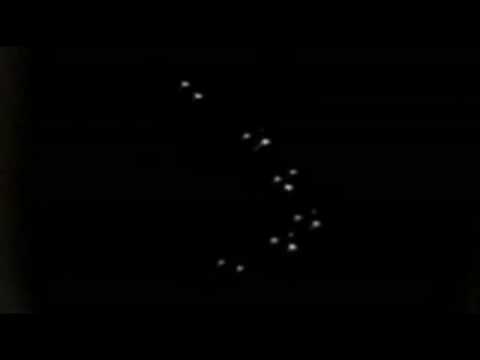 Occasionally, a good, solid, interesting UFO case will slip away from memory only to be rediscovered, years later by an alert researcher. A 1967 case involving a New York woman, Emma Funk, is a perfect example. This case was found recently by New York based researcher and author, Linda Zimmermann, and discussed on the Hudson River Radio show she hosts,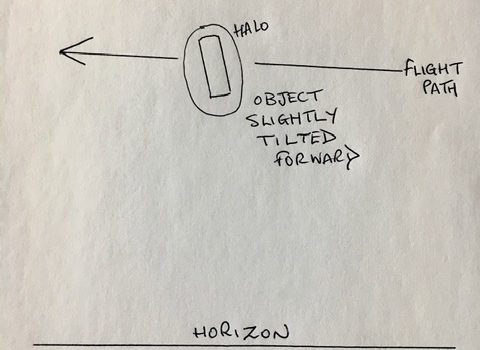
 When it comes to popular culture, the Japanese people seem to have as much of an appetite for science fiction and the paranormal as the people in the United States. With stories ranging from ghosts to Godzilla to aliens, Japanese media from film to comic book has not only entertained Japanese people, but people worldwide. Despite the popularity of otherworldly subjects in that country, the Japanese government and its people have a history of being conservative regarding the subject of UFOs. According to journalist and television producer Michi Saito, “to most of the Japanese, they’re accepted as more like a mysterious fantasy.” Japanese officials have only recently acknowledged a need to have some sort of official UFO policy. This comes in the aftermath of the U.S. Department of Defense’s recent release of official UFO videos. That’s not to say there haven’t been believers within official circles or that there have been no significant cases in the country. Japan’s UFO history goes back well before the 20th century and there are enough Japanese believers, researchers and enthusiasts to keep that history alive.
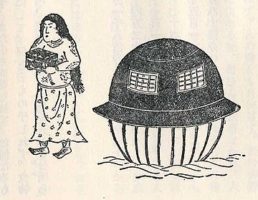
 Another ancient episode brought up by UFOlogists is known as the “Utsuro-bune” incident, which, according to legend, took place on February 22, 1803. Utsuru-bune translates to “hollow boat” and it refers to a vessel that washed up on a beach in Hitachi province. Inside was a woman with red hair who spoke a strange language. No one was able to communicate with her so she was returned to the sea. The description of the boat mentions wood and tree resin, which seems to make it a poor candidate for a spaceship.
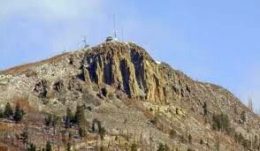 As the internet was becoming more and more a part of everyone’s daily life, the mood of UFOlogy was becoming more and more paranoid. Growing numbers of people were reporting abductions and animal mutilations and the idea that our Earth based governments were collaborating with alien races was gaining acceptance beyond just a small fringe element of society. Little green men became little grey men (and large reptilians) and they were, reportedly, not very friendly. All of these elements converged in dark tales told about an area located in New Mexico. That area is near the town of Dulce and its history of strange activity goes back well before the internet.
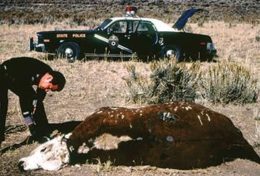 In the 1970’s, the Dulce area was hit with a wave of reported cattle mutilations with accompanying black helicopters and strange lights. New Mexico State Police officer, Gabe Valdez, investigated many of the reports and became obsessed with the mystery for over 30 years. By 2005, Valdez had become